

Non-clinical healthcare careers are crucial because they address various needs within the healthcare system, offering flexibility, reducing burnout, and utilising skills in new ways. These roles are vital for managing information, supporting clinical work, and addressing the broader health needs of the community.
Sunshine Coast region will require 43% more non-clinical healthcare workers by 2030. This is due to new and expanding services and infrastructure and increase in retired workers. Non-clinical healthcare careers encompass a wide variety of roles that support patient care and the healthcare system without directly interacting with patients or providing medical treatments. Non-clinical healthcare careers may include careers areas like Finance, Business & Project Management, Information Technology, Data Analysis and so much more.
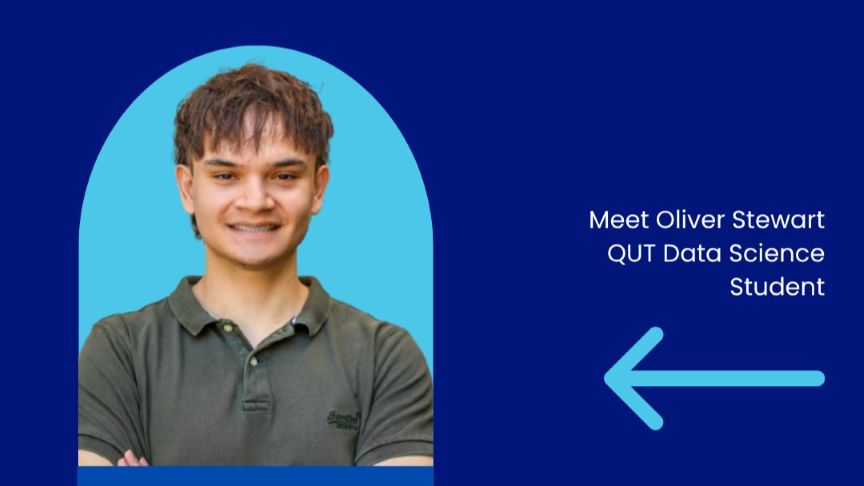
At Sunshine Coast Health Institute (SCHI), we are passionate about healthcare workforce development. Considering our upcoming Explore Non-Clinical Careers in Health Evening on Tuesday 28 July, we wanted to highlight the important role of non-clinical careers in health through Oliver’s study (and now career) journey. We are very proud of you Oliver! Take it away Oliver.
Healthcare wasn't on my radar when I started studying data science, but my placement at Sunshine Coast Health redefined my perception of its impact. I'm finishing a Bachelor of Data Science at Queensland University of Technology, picked up an International Business Machines (IBM) certification along the way, and I like to spend time building things like Artificial Intelligence (AI) search and retrieval pipelines on Amazon Web Services (AWS). Sunshine Coast Health's Business Transformation Unit was a placement opportunity that was intended to give me some real-world experience. I never imagined that three months later it would be where I'm starting my career.
When you're studying, it's easy to get caught up in the abstract side of code. Working on data that represents real patients shifted that for me. Every row is someone's care, and that changes the shape of the work.
Two projects ran in parallel. A Natural Language Processing (NLP) pipeline to turn clinical referrals into structured triage data, and an episode-linking algorithm that joined fragmented episodes into continuous hospital stays. I sat in stakeholder consults, worked through a cybersecurity roadblock with Data Engineers, and presented findings to the Director of Business Transformation.
The biggest shift in my thinking was realising how much of the value sits outside the model itself - in governance, in communication, in whether the people downstream can actually use what you've built. A pipeline that can't pass cybersecurity review isn't a solution. An episode-linking algorithm that clinicians can't validate hasn't delivered its value. There's real craft in translating from technical to plain language, and the iteration that goes into getting that translation right taught me more about analytics than I expected to learn in three months.
I'm joining the team in a permanent role in data and analytics now, and I'm looking forward to what's next.
You’ll be able to deep dive with Oliver and other expert panellists from Sunshine Coast Health, Griffith University, University of Sunshine Coast and TAFE Queensland at the upcoming Explore Non-Clinical Careers in Health Evening.